Dolphin Point Wildlife

One of the Gulf's most active dolphin habitats, Dolphin Point offers regular sightings of playful bottlenose dolphins, sea turtles, and rays. Guided jet ski tours provide respectful, up-close wildlife viewing in their natural environment.

Resident species Best viewing windows Tour success rate
Bottlenose dolphins, turtles, rays 8–10 AM and 4–6 PM High year-round
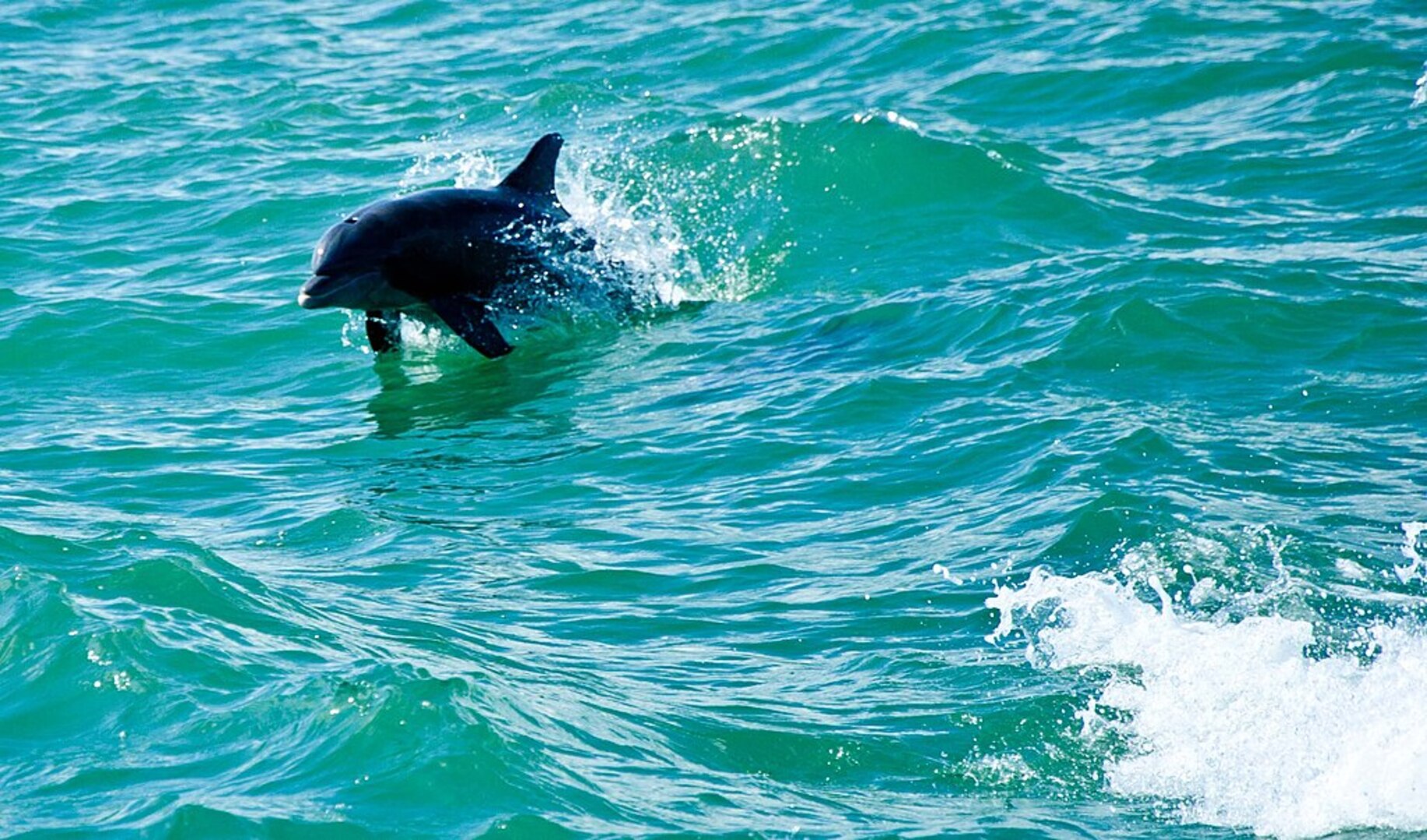
Dolphins surfacing at Dolphin Point near Destin's emerald shallows

A living habitat in the Emerald Coast shallows

Dolphin Point sits where the sheltered waters of the Choctawhatchee Bay meet the open Gulf of Mexico — a tidal mixing zone that brings warm shallows, plentiful baitfish, and the bottlenose dolphins that follow them. Locals have been watching dolphins surface and feed here for generations.

It's not a single fixed point so much as a network of shallow flats and pass entrances where pods cycle through on predictable rhythms. Mornings and late afternoons consistently produce the best sightings, when the water is calm and dolphins surface to breathe in the glassy light.

Riders also routinely spot loggerhead sea turtles, schooling rays, and fast-moving cobia in the same waters. A guided jet ski tour means a captain who knows where the pods are likely to be on any given tide — and how to share the water with them respectfully.

Explore other highlights
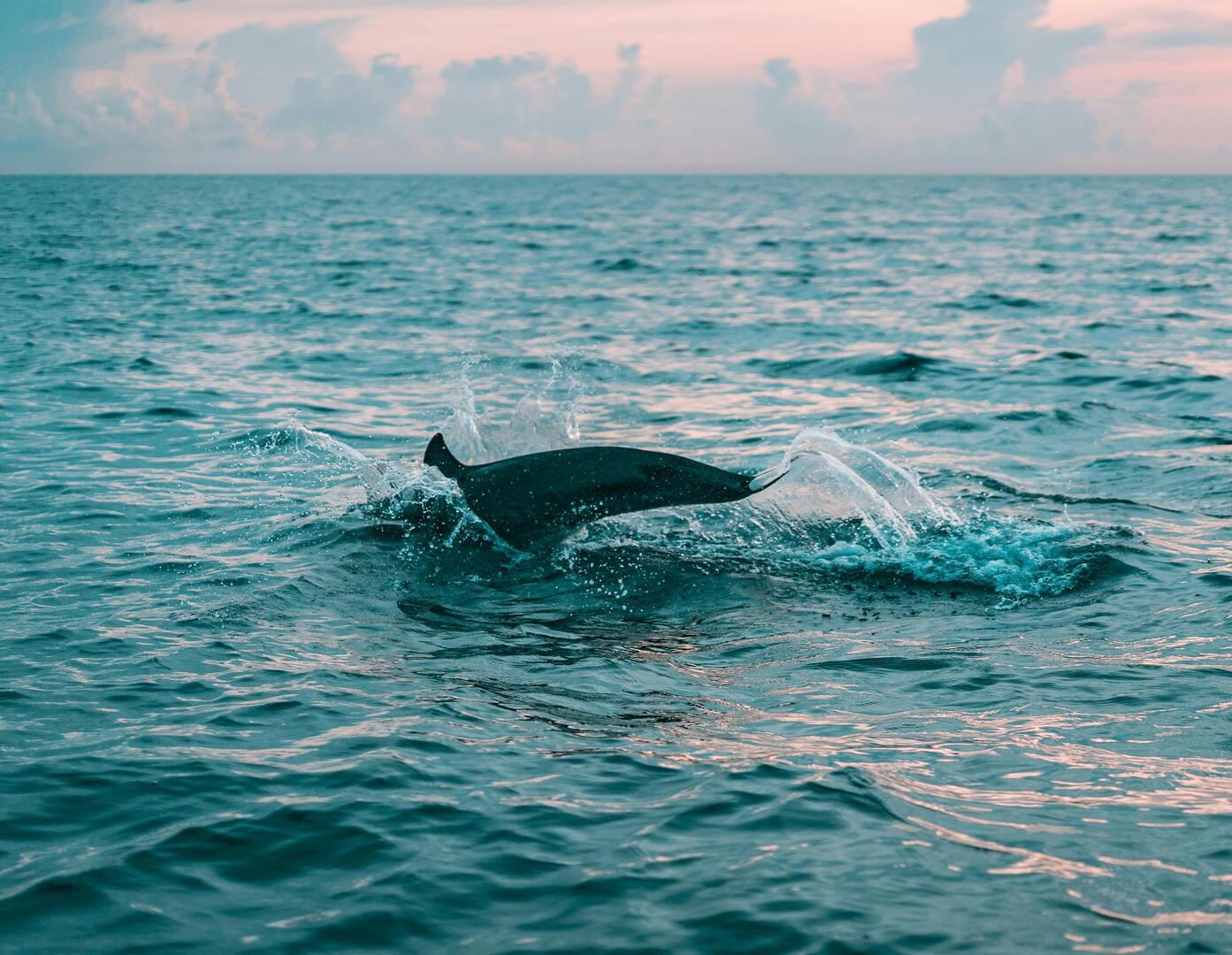
Guided jet ski dolphin tour cruising Destin's emerald waters

Wildlife you can spot

Bottlenose dolphins

Resident pods cycle through the area year-round. Riders often see them swimming, leaping, and bow-riding alongside the wake — a magical, never-staged experience.

Loggerhead sea turtles

Loggerheads forage in the same shallows and use Emerald Coast beaches for nesting in summer. Sightings spike in the warm months between May and September.

Stingrays & cownose rays

In clear water, schools of cownose rays move through the flats like dark clouds — graceful, harmless, and easy to spot from a slow-moving jet ski.

Coastal birds & baitfish

Diving pelicans, ospreys, and shorebirds give away the location of feeding dolphins. When the birds work, the dolphins are usually nearby.

Watching wildlife responsibly

Maintain distance

Federal law and good ocean etiquette ask boaters to stay at least 50 yards from dolphins. Slow to no-wake near pods and let them approach you, never the other way around.

Best viewing windows

Aim for 8–10 AM or 4–6 PM. Calmer water makes pods easier to see, and softer light produces beautiful surface footage on a phone or action camera.

Don't feed or chase

Feeding wild dolphins changes their natural behavior and can be dangerous to both animals and people. Never chase a pod or block their path of travel.

Choose a guided tour

Local captains know which flats are productive on each tide, share marine biology along the way, and follow established viewing protocols — turning a chance sighting into a reliable encounter.

Book a dolphin jet ski tour